Why is MEWP Training so important?
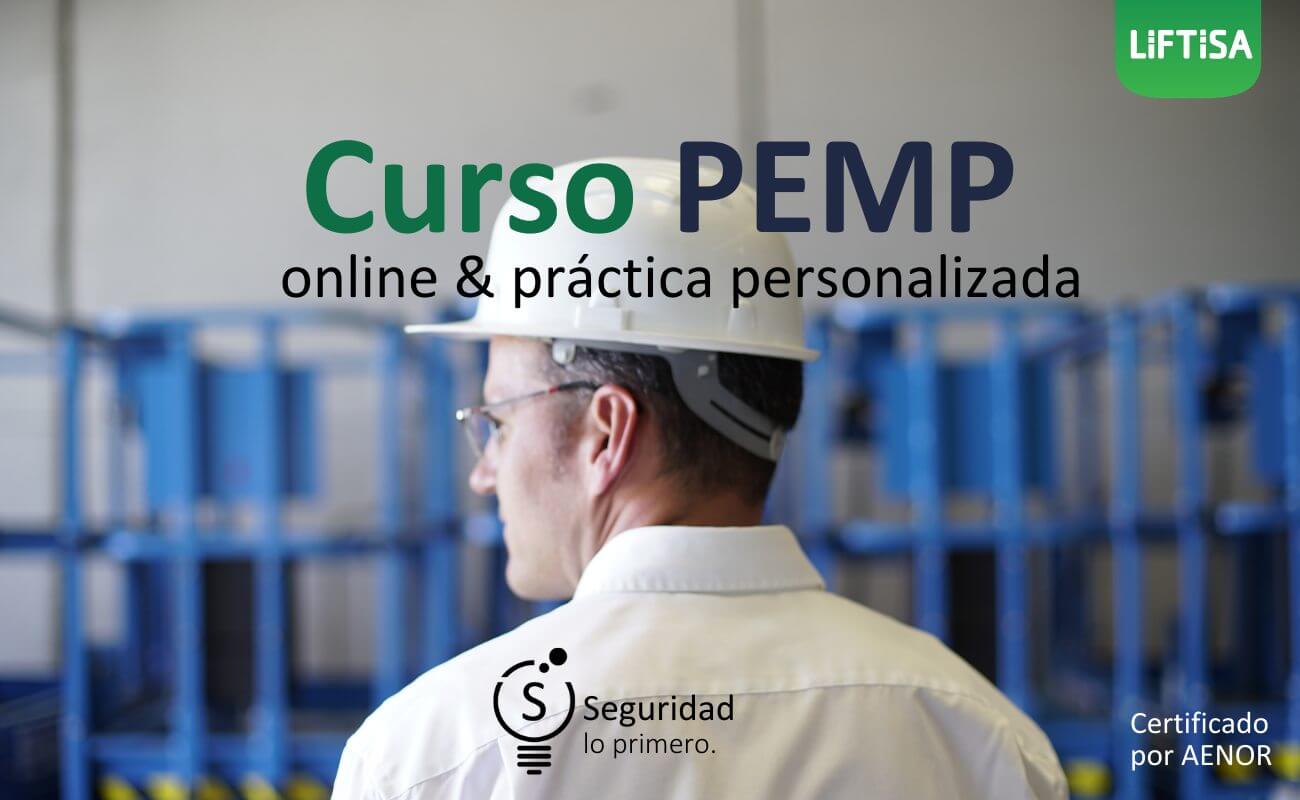
Training in Working at Height
When we have to work at height, the first thing we think about is which machine or platform we will need, the height, the dimensions, the weight, the load it will have to support, etc. We do not think about who or who should handle it and if they have an adequate and up-to-date Certificate of Use and Handling to be able to carry out the operation.
Having the right tool for each job is ESSENTIAL, but doing it with knowledge, information and training is VITAL.
The first thing is to evaluate what training our team of operators has to carry out each job at height, the second thing will be to find the best lifting solution to carry it out.
Safety first. Training is the first step to achieve this.
So, when is there a risk of accidents?
It is in low-height work that all regulations and guidelines are relaxed, and this is when most accidents occur.
In fact, ladders are one of the most dangerous elements of use at work. Around 5,000 accidents occur in them every year. And 1 in 10 usually ends in disability or death.
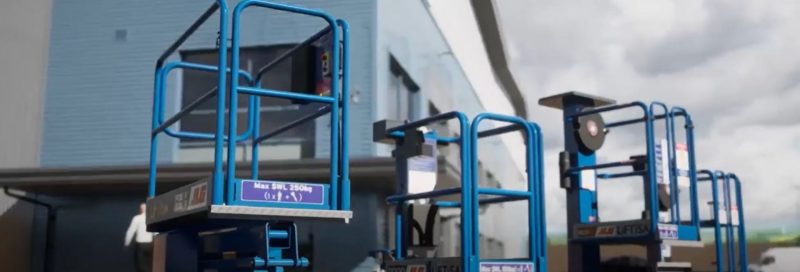
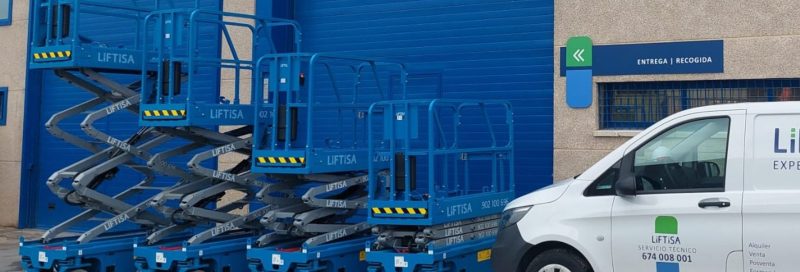
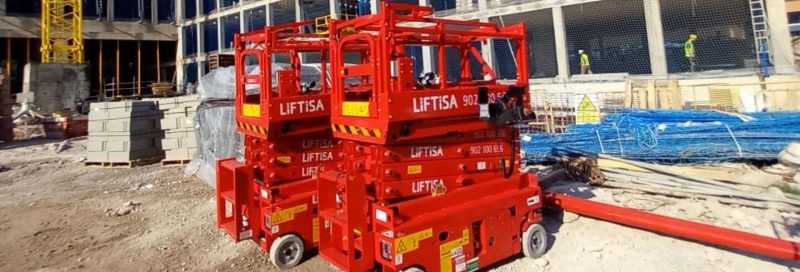
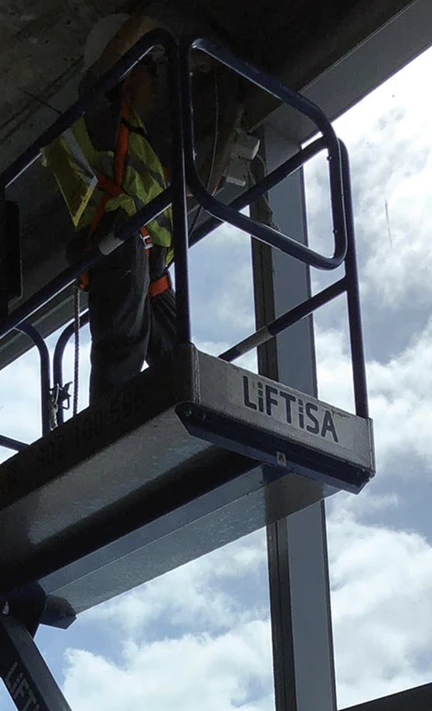
For this reason, one of the low-height access solutions, such as small or manual, mixed or self-propelled lifting platforms, up to 6m high and very small, are the best options to completely forget about the ladder and its risks.
Prevention plays a very important role in the development of these jobs, since many accidents can be avoided by making the right decisions.
With this in mind, we recommend carrying out MEWP training focused on low-height accesses, which guarantees an overview and awareness of safe working at height.
The risks of working at low heights.
Low-height access equipment should be used as much as higher-height access equipment, but it is rarely associated with safety hazards and accidents.
Low-height access solutions are defined as access solutions with a height of 2.5 m or more.
If we think about it, it’s this type of access solution that we tend to use on a daily basis. PASMA has found that an estimated 50,000 low-height access solutions are used daily, which means that many are at risk of not using them correctly.
According to the HSE, more accidents occur in low-rise accesses when using means such as ladders, than in other jobs in which solutions with great heights of up to 20 meters are used.
What to consider before using Low Rise Platforms?
-
MEWP TRAINING.
You must have the corresponding MEWP Training. Find out about the 6 Courses. 6 MEWP Certificates, approved by AENOR offered by LIFTISA.
-
CHECKING THE TERRAIN.
Surfaces should be level and free of obstacles and dirt. It is also important to perform a quality check before using the low-height access solution, to ensure that everything is working properly.
-
PLATFORM CHECK.
Low-height access solutions should also be checked before each use. If you move your platform or make a break from the workday, you should check that everything is still correctly configured before returning to work.
Some of the most common errors in installation are:
- Omit components.
- Unsecured base.
- Unlocked wheels.
- Lack of balance.
All platforms and access solutions require a good balance. If your balance falters, you risk a fall, which can be harmful at any height. If you’re working from low-level access solutions, fitness is critical.
If balance is an issue, you should use appropriate low-height access solutions, for example, with additional guardrails and safety features.
-
CORRECT USE OF THE PLATFORM.
Finally, it’s the correct use of your low-level access solution. As with higher-level access solutions, many of the common risks apply.
Potential hazards include:
- Overexertion.
- The climb to the platform over the railings.
- Failure to observe hazards.
Safety training adapted to low altitude.
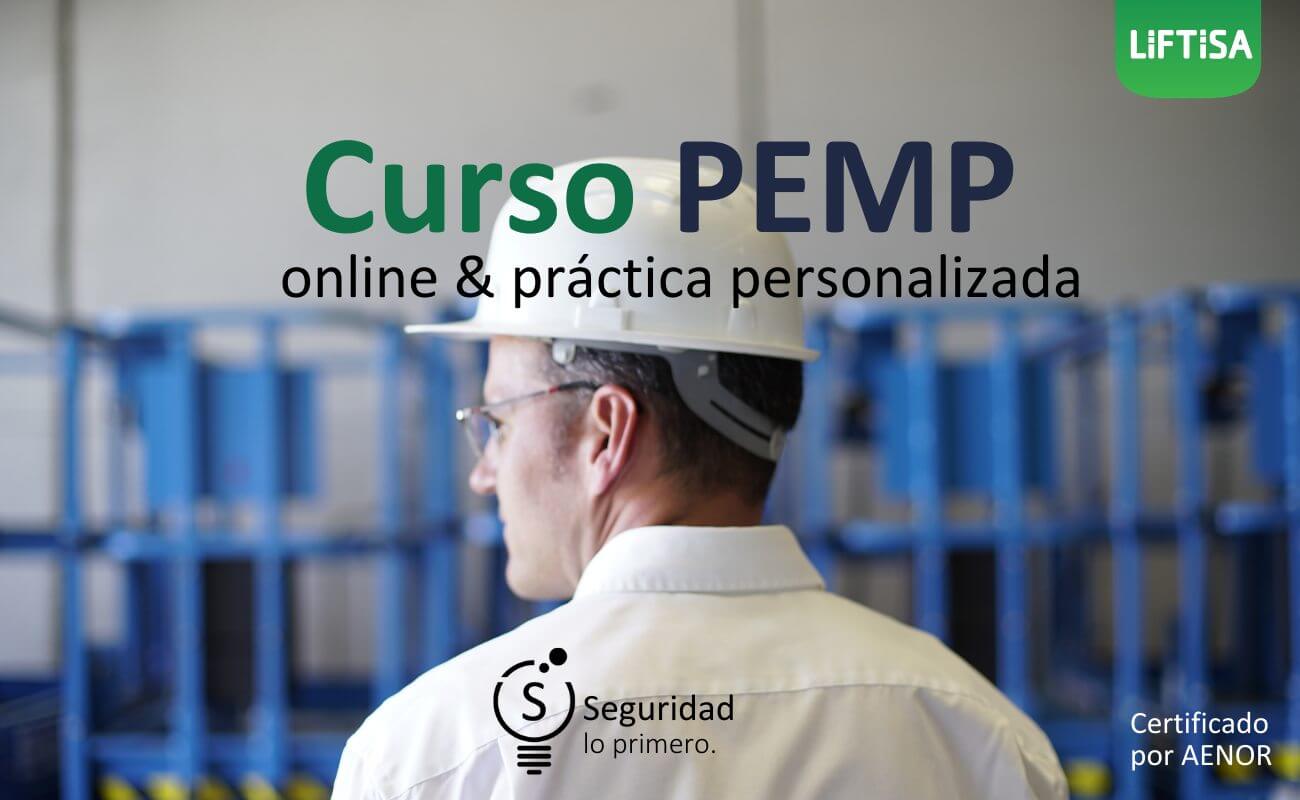
At LIFTISA we offer accredited courses designed especially for working with low height platforms. Our low-lift equipment safety training courses cover everything from different equipment options to assembly, disassembly, hazards, and risks.
The course, lasting eight hours, 4 theoretical and 4 practical, also has the option of using the specific machinery of their work.
If you’re looking for more generic training on working at height, why not try our MEWP training course? Do not hesitate to contact us.
902 100 696
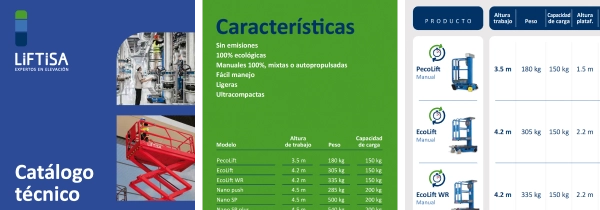
Download our catalog
You’ll be able to view all of our products and current offers, as well as the technical specifications and other services offered by LIFTISA so you have all the information you need for your project.