How many meters are considered low elevation height?


Working at height comes with obvious risks, but tasks performed at low altitudes can also be dangerous if proper safety measures are not taken. Although the risks of working at lower levels are often underestimated, international regulations and standards recognize the importance of setting clear boundaries to ensure worker protection. In this article, we will explore how many meters are considered low elevation heights, the factors that influence their classification, and the regulations that govern these jobs, highlighting the importance of always applying the necessary safety measures.
Definition of low elevation height
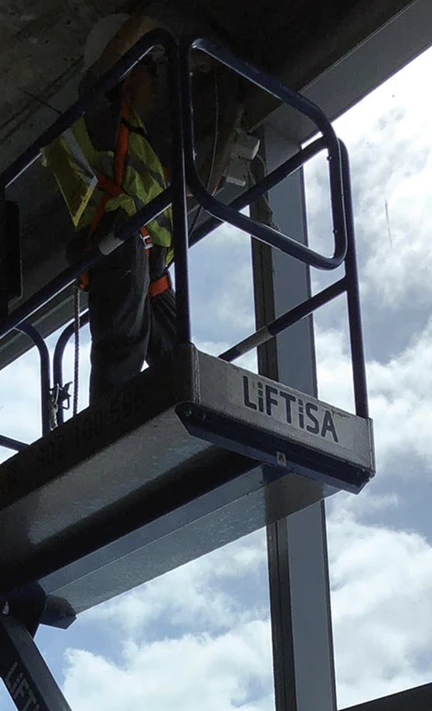
In the lifting sector, “low height” is considered any work that does not exceed 6 meters in working height. This range is commonly accepted in the industry and applies to tasks that require access to low or medium levels, such as maintenance, electrical installations, indoor construction, or many other uses.
Advantages of working in the low-rise range
Working at reduced heights has clear benefits:
-
Increased stability
The risk of tipping over or imbalance is lower compared to working at high altitudes.
-
Easy Access
Compact and manoeuvrable equipment is ideal for narrow spaces or interiors.
-
Risk reduction
While it is still essential to follow the regulations, the dangers are more controllable than at higher altitudes.
Alternatives to stepladders for low height
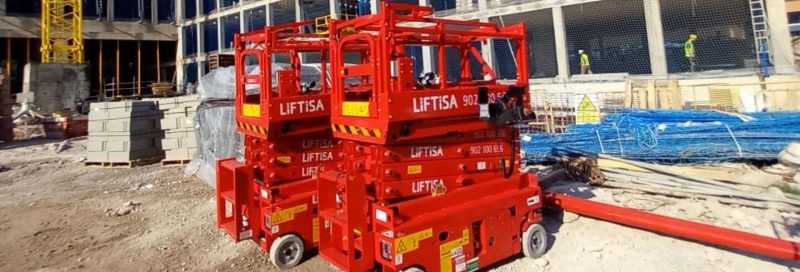
Although ladders are a common option, they are not safe. In low-height work, lifting platforms offer a safe, stable and efficient solution. Among the available options are:
Ideal for quick and easy tasks.
Perfect for jobs that require constant mobility.
-
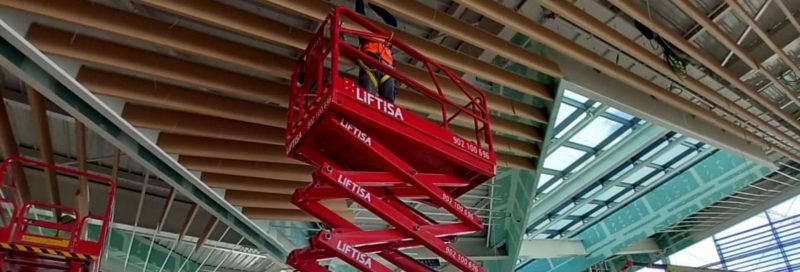
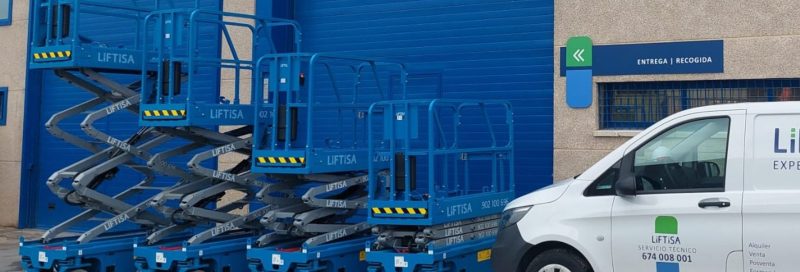
Small Scissor Lifts
They provide greater stability and load capacity.
Regulations related to working at low heights
It is essential to know the applicable regulations to ensure safety in this type of work. In Spain, work at height is regulated by Royal Decree 1215/1997, which establishes the minimum health and safety provisions for the use of work equipment. This regulation was extended and modified by Royal Decree 2177/2004, which introduces specific measures according to the nature of the work carried out and the height from which it is operated. Although it does not define an exact limit for “low height”, both regulations highlight that any task where there is a risk of falling and injury requires the implementation of preventive measures, such as guardrails, fall arrest systems or adequate platforms. This includes jobs where the height is less than 2 metres, provided that the environment presents additional hazards, such as unstable surfaces or the proximity of moving machinery.
It is vitally important:
- Use equipment specifically designed for work at height.
- Ensure adequate training of operators.
- Carry out periodic inspections of the equipment.
Conclusion
Knowing what is considered low lift height is key to selecting the right equipment and ensuring workplace safety. Platforms designed for heights of less than 6 meters are the safest and most efficient option, overcoming the limitations and reducing accidents of traditional ladders.
At LIFTISA, we are specialists in low-rise lifting solutions, offering innovative equipment that adapts to the needs of any sector. If you need advice, do not hesitate to contact us.
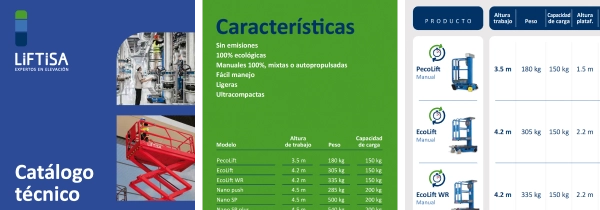
Download our catalog
You’ll be able to view all of our products and current offers, as well as the technical specifications and other services offered by LIFTISA so you have all the information you need for your project.