What are the most common workplace accidents in work at height?
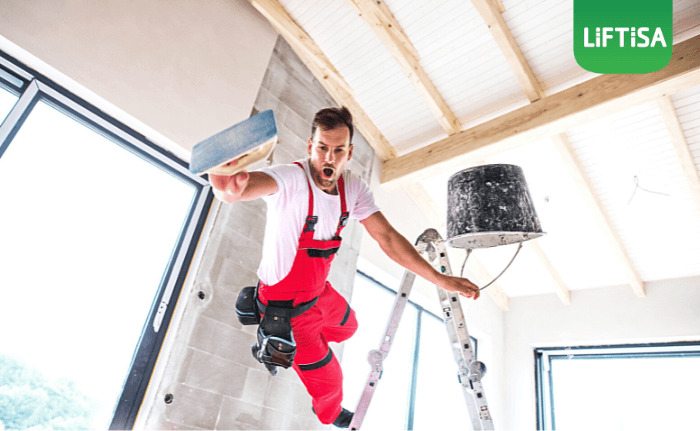
Over the last few years there has been great progress in terms of the prevention of occupational accidents at work.
Law 31/95, has made it possible to introduce improvements in many areas to try to eliminate, reduce and control risks. There has been a development of specific techniques, methodologies and materials for the prevention of risks arising from carrying out work at height thanks, to a large extent, to preventive awareness.
What is meant by working at height?
There is no definition in regulations explicitly but it is generally accepted that work at height is any activity that is carried out at heights greater than 2 meters above ground level, in which there is the possibility of a fall.
Some examples of jobs that can be considered work at height are:
- Maintenance and repair tasks.
- Assembly of installations where it is necessary to climb a ladder to access the work area.
- Restoration tasks of buildings or works of art.
- Jobs where scaffolding is used.
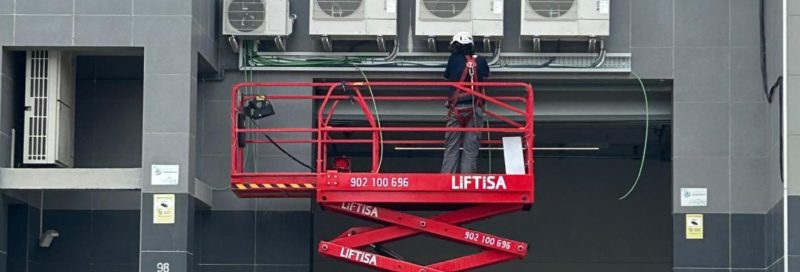
- Vertical work: assembly of superstructures, antennas, special cleaning, lifting platforms, roofs, trees, ramps, etc.
The 4 most common work accidents at height
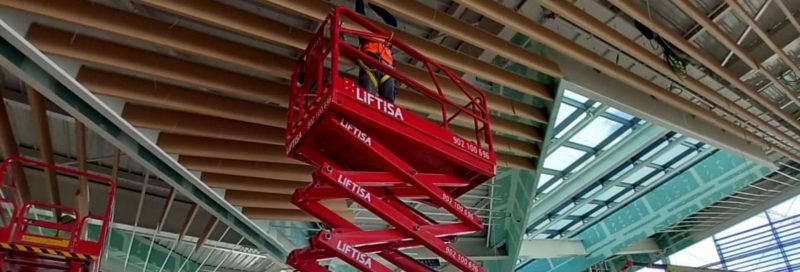
The most common workplace accidents at height They usually have very serious consequences, mainly due to the height at which they work. Avoiding these risks is everyone’s job, at Liftisa we work every day to develop new safety systems, which prevent accidents and allow us to work in safe and comfortable spaces.
Among all the accidents at work at height that can be caused, we highlight the most common.
-
Falls at different levels
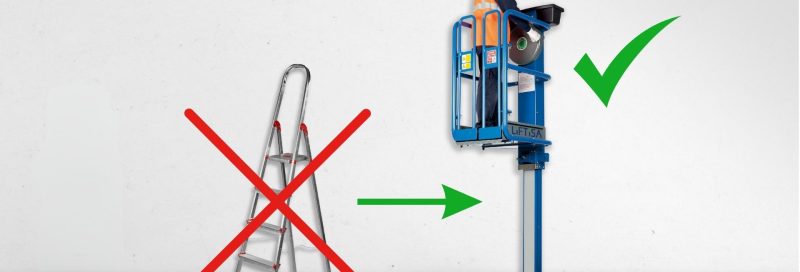
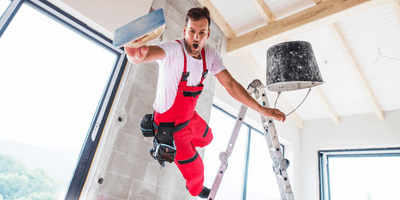
Falls at different levels are the main risk when working at height. There are a variety of causes that can lead to a fall of this type, from slipping to working on a ladder or poor scaffolding installation. Ladders are only a means of access, not work, so they should not be used to carry out work at height. And as for the scaffolding, if the installation is optimal, and the appropriate safety measures are also used, the risk of falling will be practically zero, although we must always, even in the safest environments, work with caution.
-
Blows from falling objects
It is another of the most common accidents in workplaces at different levels. In this case, it is up to each worker to prevent a work tool, or any other object, from falling into the void. Blows due to falling objects can cause a very serious injury to the person who is at ground level, or in spaces below, in the case of being on a scaffold. All the tools with which you work must be correctly fixed.
-
Electrical Contact
One of the main risks originates from electrical contacts. It is very common to work at height with electrical machinery, if there is a problem with the voltage or an unwanted electrical contact, the risk of electrocution is very high. Workers must be trained on electrical risk, as well as its prevention and protection measures. It is important to avoid electrical hazards at work to use the right tools such as those that are insulated for electrical work, as well as to always dispose of deteriorated equipment and systems.
-
Bumps in the access or falls
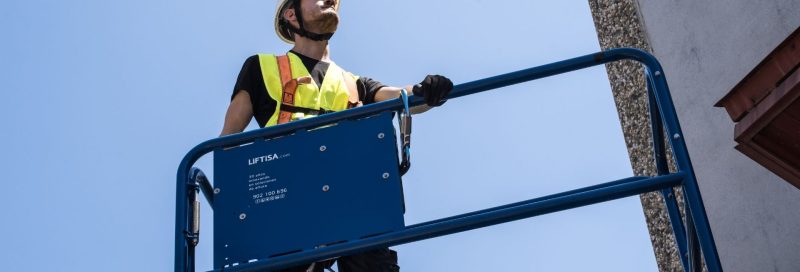
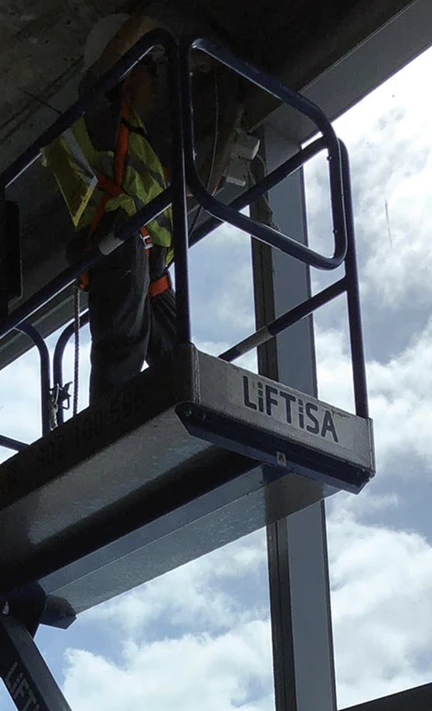
Another very common accident is blows in the access or in falls. To minimize damage, it will be essential to always work with a safety helmet. A blow to any part of the body can have very serious consequences. If, for example, a fall into the void follows, harnesses and lifelines do not prevent the blow, but they do prevent greater consequences.
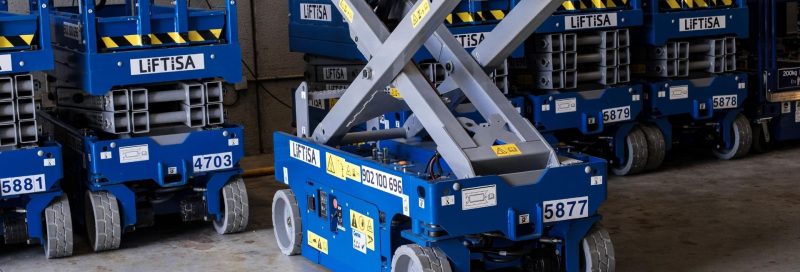
These are the most common workplace accidents that occur in work at height. At Liftisa we innovate in Lifting platforms manual, mixed and self-propelled, to always offer the best option in working at height. We believe in the need to Drive change to improve safety, efficiency, and productivity at low work.
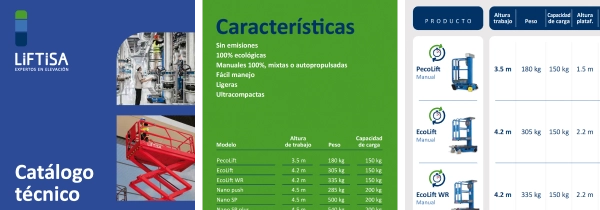
Download our catalog
You’ll be able to view all of our products and current offers, as well as the technical specifications and other services offered by LIFTISA so you have all the information you need for your project.