The cost of a workplace accident at work at height
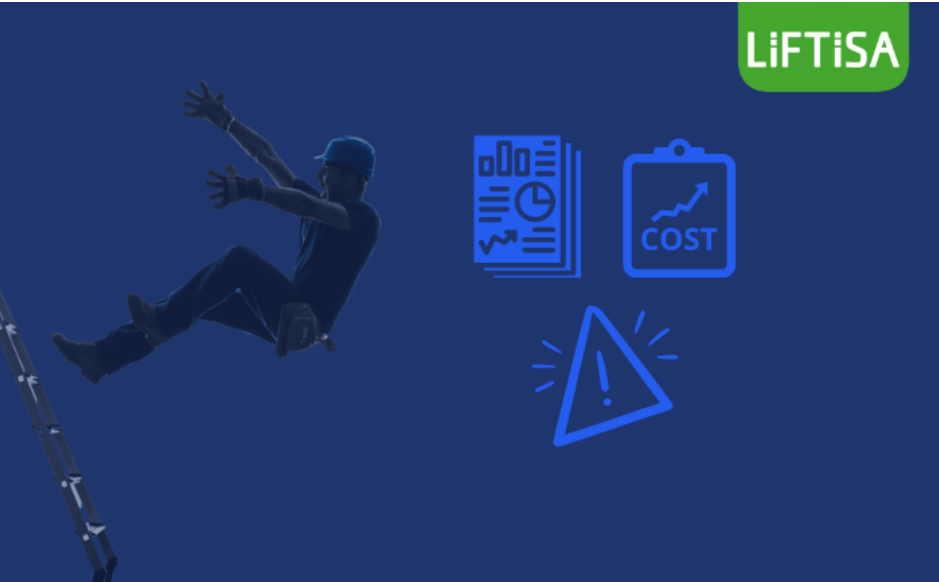
The cost of a workplace accident is much higher than many might imagine. Not only is there a financial impact, but there are also consequences for the worker’s health and well-being. In the field of construction and industry, accidents related to falls and over muscular stress are quite common. In this article, we will examine the costs associated with workplace accidents and how they can be prevented.
What is the cost of a workplace accident in work at height?
Falls from height in construction
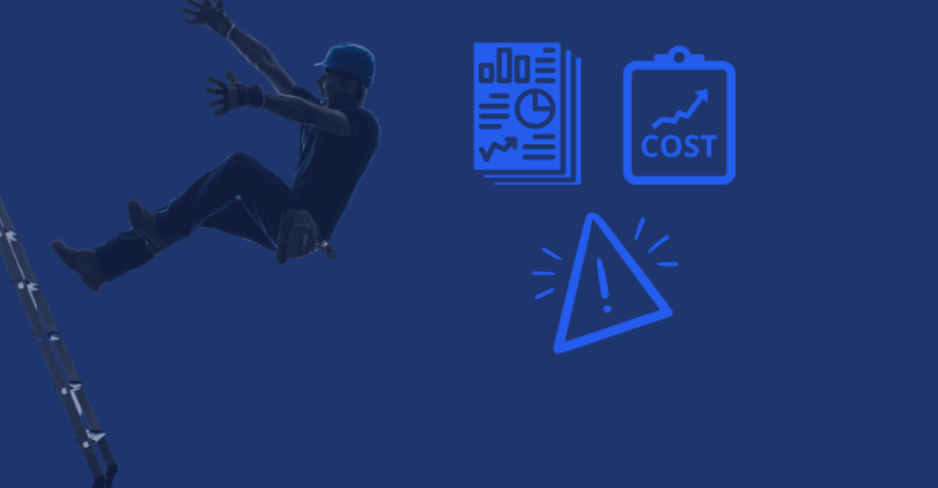
Falls from heights are one of the most common accidents in the workplace. According to a study, in 2021, falls from height cost 12,000 million euros in direct compensation costs. This is approximately €124,000 per injury caused in a fall from a height. In construction, low-fall falls are also a common cause of fatal accidents. According to the data collected, 118 people died from falls from low altitudes in 2021. It is important to keep in mind that every 3 days, a person dies from a fall from height.
Days off work and costs
Falls also have a great impact on days off work. On average, a person who suffers a fall from a height will be out of work for 19 days. Not only does this have an impact on the employee’s ability to work, but it also has a financial impact on the company. The costs associated with sick leave, insurance, and compensation can be extremely high.
Slips, trips, and falls
Falls are not only a problem in construction, but they are also a problem in other sectors. In fact, slips, trips, and falls are the third most common cause of non-fatal work-related accidents that lead to days off work. According to the data collected, 28.3% of all non-fatal work-related accidents that lead to days off work are caused by slips, trips, and falls. In Spain in 2021, there were 92,000 workers injured by slips and falls, resulting in 12 days lost on average.
Worker fatigue: a major risk factor
Muscle overexertion is another common problem in the workplace. In 2021, there were 156,660 workers injured due to muscle overexertion. The back was the most affected part of the body, and workers lost an average of 14 days of work due to these injuries. In addition to the financial impact, these injuries can have a long-term impact on the worker’s health.
Low-rise lifting platforms: a safe and efficient tool for work at height
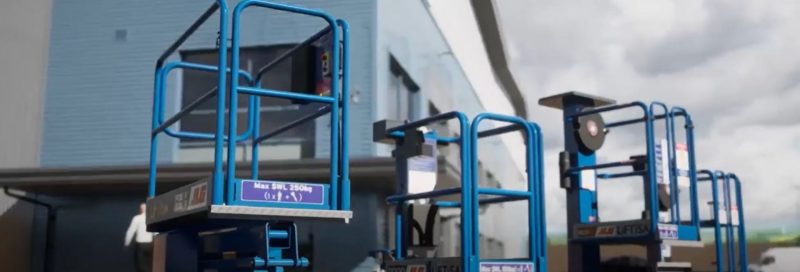
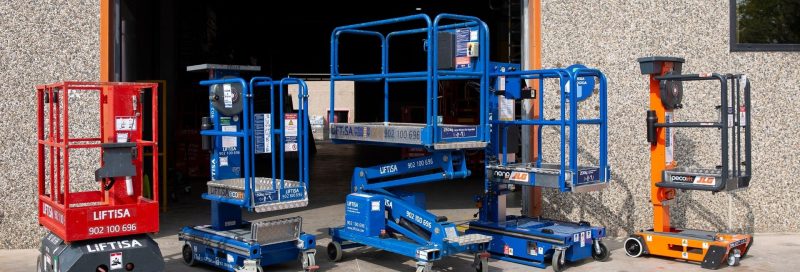
Fortunately, there are solutions available to reduce the risk of workplace accidents related to worker fatigue and falls from heights. Low-rise platforms are an effective and cost-effective solution to reduce these risks.
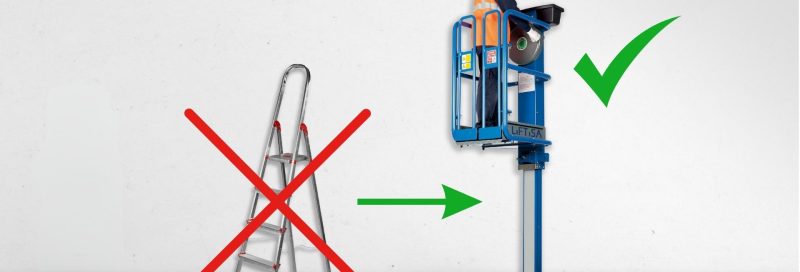
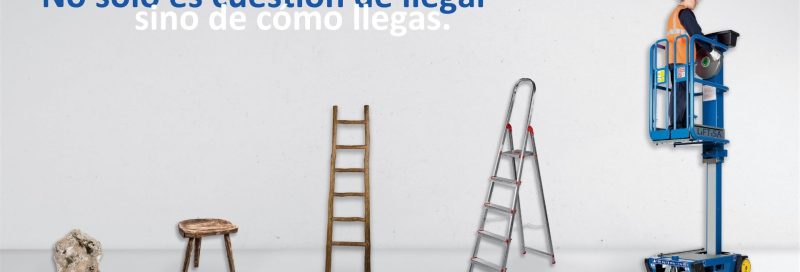
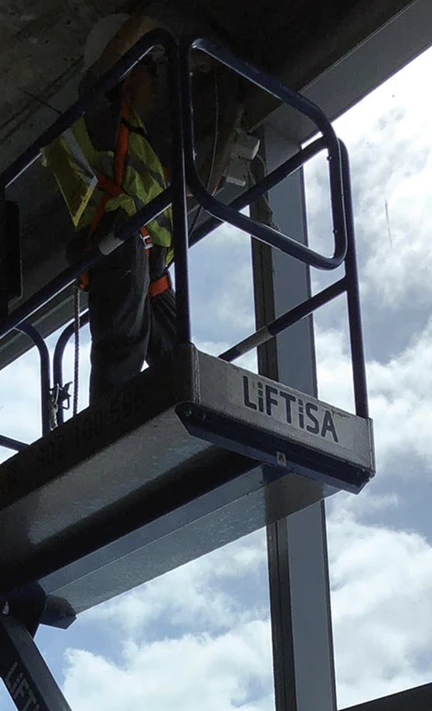
Low-height platforms provide a raised work surface that allows workers to perform their work at a safe height without the need for ladders or scaffolding. These platforms are especially useful in jobs that require a lot of musculoskeletal movements, such as installing roofs, painting, or maintaining equipment.
According to studies, low-rise platforms significantly reduce muscle and joint activity compared to using scaffolding.
In summary, if you’re looking for a solution to reduce the risk of injury and muscle fatigue in your work at height, it’s important to consider using low-height lifting platforms instead of ladders or scaffolding. Studies show that lifting platforms provide greater support and stability, which translates into a significant reduction in muscle and joint activity. In addition, low-rise lifting platforms also offer greater freedom of movement and better accessibility to work areas, which can increase efficiency and productivity on the job site.
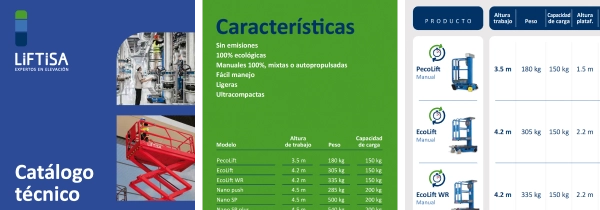
Download our catalog
You’ll be able to view all of our products and current offers, as well as the technical specifications and other services offered by LIFTISA so you have all the information you need for your project.