Maximizing productivity with small boom lifts


Sorting Elevating Boom Lifts: A Focus on Small Ones
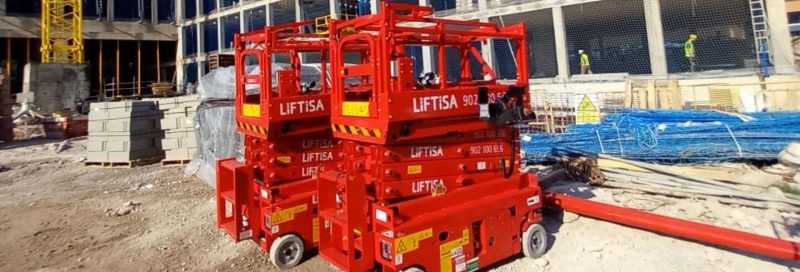
In the boom lift sector, the diversity of sizes and types available can be overwhelming. However, understanding the key features and benefits of each type is essential to ensure we always have the right boom lift for the job. In this article, we will explain the market for low-rise lifting platforms or small lifting platforms, which includes electric, mixed and manual and hybrid models with heights of up to 6 meters.
What makes small lifting platforms different?
Small or low-rise lifting platforms They are not only differentiated by their height, but also by their combination of width and weight, crucial factors in accessing specific places. Therefore, understanding the key requirements of the workplace is critical to ensuring the right machine is used.
Height and width: two key factors
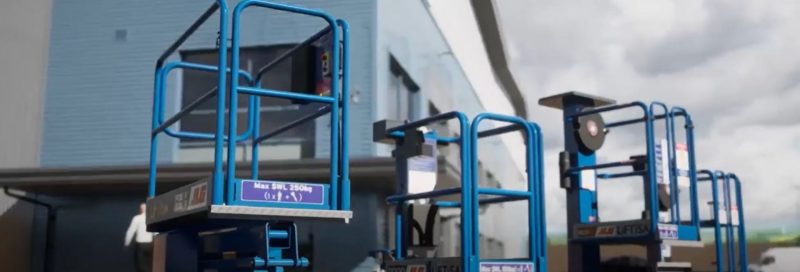
When selecting the right platform size, the height at which the work will be done and the width of the machine are the initial considerations. For example, the EcoLift platform It offers an exceptionally compact footprint with a width of just 0.7 metres, making it easy to access tight spaces. However, in some cases, this reduced size may require the machine to be heavier to maintain its range of motion.
Soil Weight and Requirements
The weight of the machine can be critical in locations with raised structures or floors. Some small platforms, such as the PecoLift model, have been designed with this aspect in mind. Although its width is comparable to other models, its weight is smaller, only 180 kg. However, this may lead to a slight reduction in range and a greater subsequent overhang. This type of platform is usually ideal for indoor applications where the weight of the machine is more important than a compact footprint.
Access and types of platforms
In addition to height, width, and weight, access requirements are critical when selecting the right type of platform. Platforms with extension, such as the Nano SP or Nano SP Plus allow you to overcome obstacles such as racks or production areas.
Considering the energy source
Another factor to consider is whether there is energy available in the workplace. Small lifting platforms usually work with Batteries, which meets the needs of many customers. However, in places without access to power or in applications that require long distances, Manual or mixed options may be more appropriate.
Conclusion
Maximize productivity and safety It starts with understanding the needs of the workplace and the capabilities and benefits offered by different categories of boom lifts. Choosing the right size and type of platform can turn a Small lifting platform is a highly productive and safe tool.
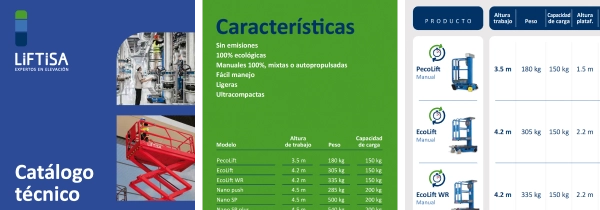
Download our catalog
You’ll be able to view all of our products and current offers, as well as the technical specifications and other services offered by LIFTISA so you have all the information you need for your project.