How to minimise risks in the use of lifting platforms


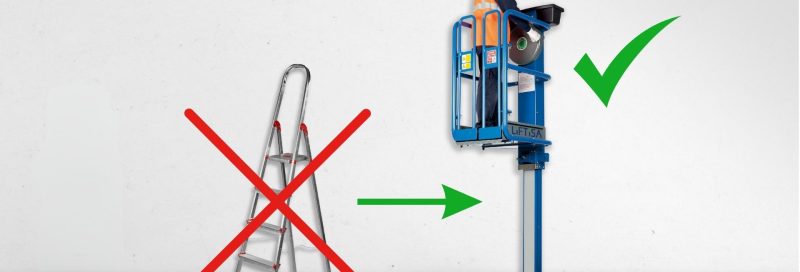
Lifting platforms are essential tools in many industries, from construction to maintenance and installations. However, its use entails Significant risks if security measures are not implemented Appropriate. In this article, we will explain in detail how to identify, assess, and mitigate the risks associated with the use of elevating platforms, along with best practices to ensure a safe and productive work environment.
Common Risks with the Use of Elevating Platforms
The use of elevating platforms can expose workers to a variety of hazards, ranging from falls to collisions to tool injuries. Understanding these hazards is essential to implement effective prevention strategies. Below are the most common risks with the use of lifting platforms and the possible consequences:
Falls
Falls from high heights are one of the main concerns when using lifting platforms. Some risk factors include:
- Lack of protection: The absence of guardrails or fall protection systems can result in serious or fatal injuries.
- Slippery surfaces: Wet or dust-covered platforms increase the risk of slips and falls.
- Adverse weather conditions: Wind, rain, or snow can significantly increase the risk of falls.
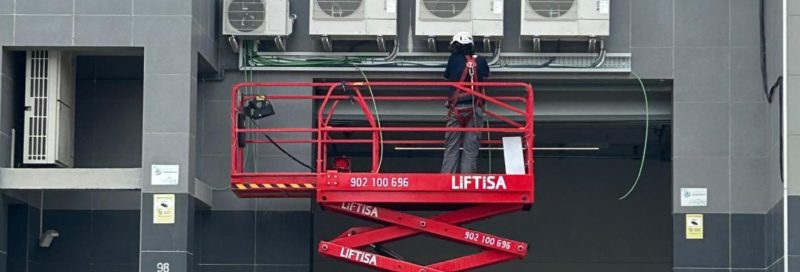
To prevent these situations, it is essential to implement safety measures such as the use of safety harnesses, perimeter protection systems, and the suspension of work during hazardous weather conditions.
Crashes
Boom lifts can occur due to several factors, such as:
- Unstable structures: Using platforms on weak or unstable structures can result in catastrophic collapses.
- Lifting equipment failures: Lifting equipment malfunctions can cause sudden crashes.
- Incorrect load distribution: overloading the platform or misdistributing materials can lead to material detachment and collapse.
Regular inspection of equipment, proper maintenance, and adherence to load limits are essential to prevent crashes.
Bumps and Shocks
Working at heights carries the risk of bumps and shocks, such as:
- Suspended objects: Improperly secured materials or tools can fall, causing impact injuries.
- Collisions with structures or machinery: Improper movement of the rig can result in collisions with objects or vehicles.
To mitigate these risks, it is crucial to implement cargo securing procedures and train operators in the safe use of platforms.
Tool injuries
Improper handling of tools can result in serious accidents:
- Improper use of tools: Cuts, burns, or injuries can occur if tools are not used properly.
- Defective tools: Using defective tools increases the risk of injury.
Proper training and regular inspection of tools are critical to preventing tool-related injuries.
Prevention measures and best practices
To ensure a safe working environment when using elevating platforms, the following measures and practices should be implemented:
Regular inspection and maintenance
Carry out regular inspections of lifting platforms to detect and correct any mechanical or structural problems. Proper maintenance ensures the safe operation of the equipment.
Training and certification
Provide thorough training to all operators on the correct use of elevating platforms, including how to respond to emergencies and risky situations.
Compliance with rules and regulations
Follow all local rules and regulations related to the use of elevating platforms, including safety and training requirements.
Use of personal protective equipment (PPE)
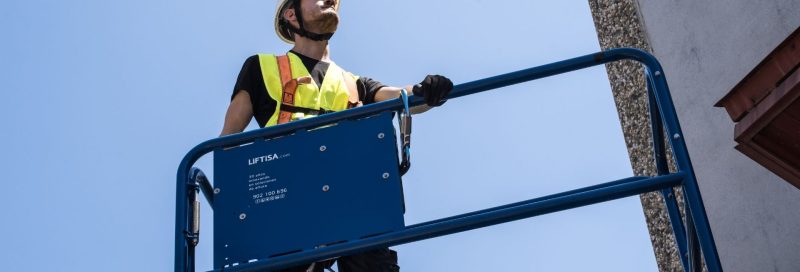
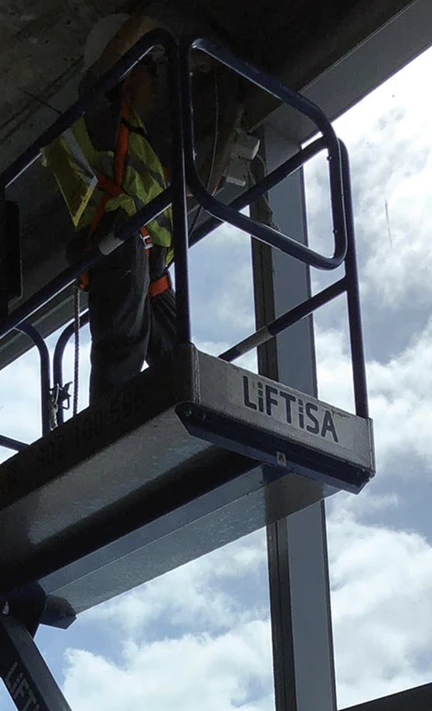
Require the use of appropriate PPE, such as safety harnesses, hard hats, and non-slip footwear, to protect workers at high heights.
Risk assessment and planning
Conduct risk assessments prior to each work with elevating platforms and develop safe work plans that address potential hazards identified.
Communication and signage
Establish clear communication between operators and other workers on site, using audible and visible signals to alert to potential hazards.
Rental of lifting platforms: important considerations
For those who need to access heights but do not own their own lifting platforms, renting this equipment is a common option. When renting a platform lift, it is essential to consider the following:
- Platform Type: Choosing the right type of platform based on the environment and specific work needs.
- Equipment Condition: Inspect equipment prior to use to ensure it is in optimal condition.
- Operator Training: Ensuring that the operator is properly trained and certified to use the rental equipment.
Conclusions
At LIFTISA our goal is: ZERO accidents. It’s not just a matter of getting there, but how you get there. The Safe use of lifting platforms It is critical to preventing workplace accidents and injuries. Identify and address the risks associated with the use of these tools ensures a safer and more efficient working environment. Implementing appropriate prevention measures, such as regular inspections, thorough training, and regulatory compliance, is crucial to protecting workers’ health and safety. In addition, when considering the For lifting platform rentals, it is essential to select the right equipment and ensure that everyone involved is prepared and aware of the risks and safety measures needed.
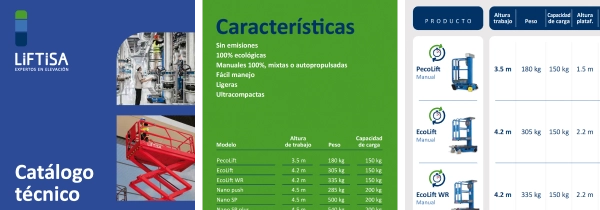
Download our catalog
You’ll be able to view all of our products and current offers, as well as the technical specifications and other services offered by LIFTISA so you have all the information you need for your project.