The rise of the low-bay boom lift market
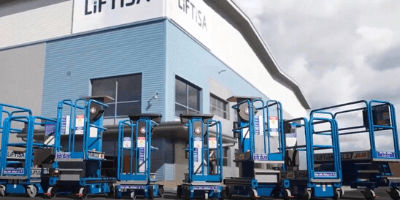

The market demand for low-rise lifting platforms is growing rapidly across the globe. They are perfect tools for Carry out work in hard-to-reach areas in small spaces , which makes it a booming market.
Companies are beginning to prioritize safety and productivity in low-height accesses, changing the way they work, introducing innovation with more efficient products.
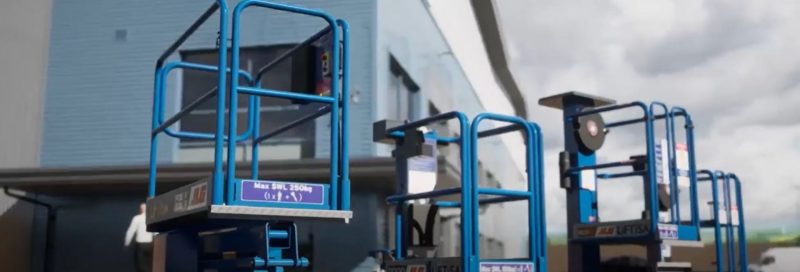
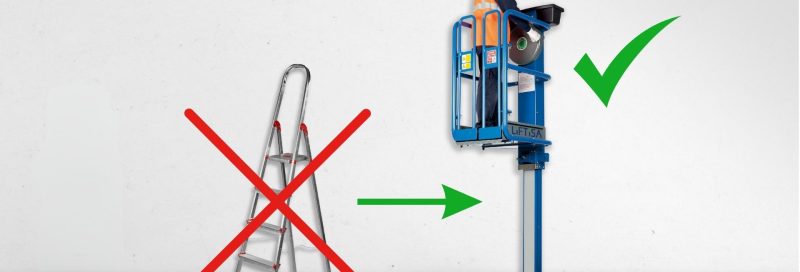
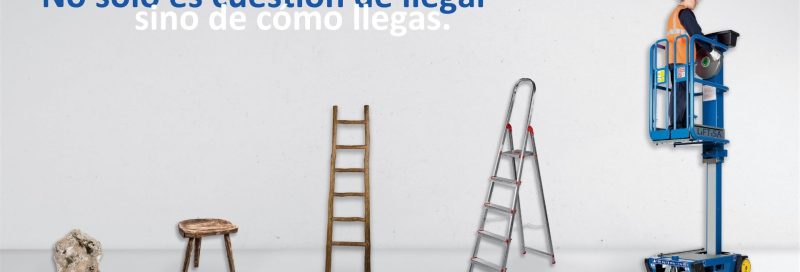
These types of platforms are considered a more ergonomic option than ladders and scaffolding. They offer a Maximum working height of 5.4 m and weigh less than 500 kg.
These machines are mainly used in jobs where a ladder or scaffolding is typically used, as they can be easily moved around a facility and quickly assembled or dismantled, allowing workers to access walkways, landings and other hard-to-reach areas. These lifting platforms are ideal for applications including mechanical and electrical work, HVAC and ductwork, hanging drywall, painting, refurbishment, construction finishing work, cleaning, etc.
What accelerates the demand for these platforms?
There are three key trends accelerating the demand for and adoption of low-rise boom lifts:
- Increasingly, companies are looking to replace ladders and scaffolding with alternatives that offer a safer way to carry out work at height. Falls from ladders and overuse injuries as a result of using ladders have negative consequences. In addition, falls can lead to other setbacks: lost time, reduced productivity, costly workers’ compensation claims, etc.
- The second trend, the new types of construction. With less open space and buildings getting taller and narrower, there is a greater need to use Space-saving machines that are lighter for use on sensitive soils. In addition, it is important that they can move between plants. That they can access the lifts to carry out finishing and equipment work, as well as for continuous maintenance.
- Finally, the increased attention to environmental considerations. Manual or electric lifting platforms are quieter and eliminate or completely reduce emissions, making them suitable for use anywhere from libraries and hospitals to office buildings and universities. Even for the realization of night work.
As the popularity and demand for low-rise lifting platforms increases, the opportunities in the market continue to develop.
Are there different types of low-rise lifting platforms?
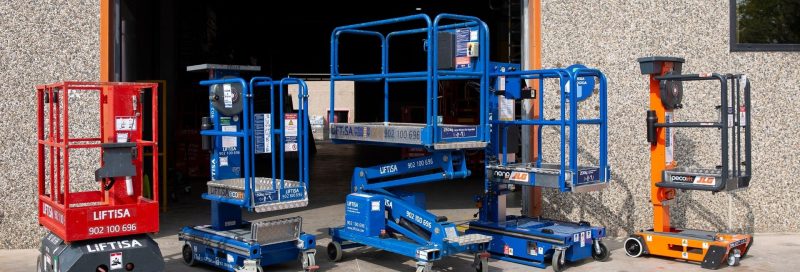
Low-rise platforms are not one-size-fits-all. There are many options to choose from. The variety of these platforms allows people to adapt to tight spaces and move around with ease. At the same time, they are light enough for use on sensitive floors and in elevators.
For one, manual platform lifts are lighter and quieter than electric platform lifts.
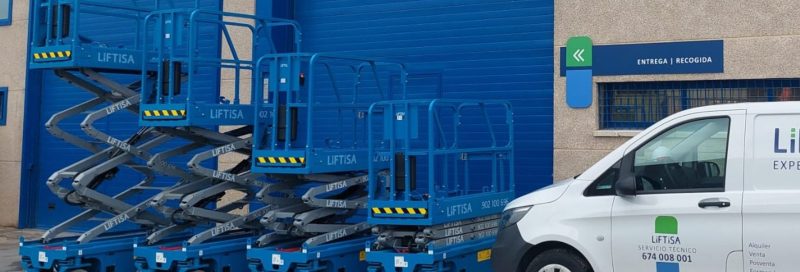
On the other hand, while still small in size, electric or combi boom lifts typically take up slightly more space, are heavier, and have a larger platform capacity, allowing the operator to carry more tools and materials in the work area while reducing the number of times they have to go up and down during the workday.
What are the advantages of low-rise lifting platforms?
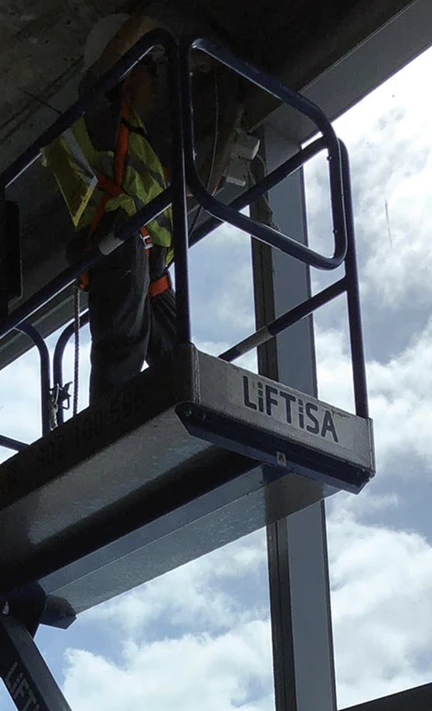
Operators using a low-rise platform lift can comfortably use both hands to get jobs done safely, at 360 degrees. Something that cannot be done with ladders. With them, workers often must use one hand to stabilize themselves at height, leaving only one hand free to perform a task.
Low-rise lifting platforms also have portability advantages. These machines can be easily lowered and moved from one place to another, allowing the Performing multiple tasks throughout the facility in less time.
The market for manual low-rise lifting platforms includes models that feature a patented stored energy lifting system. It requires no batteries, hydraulics, oil or controls. Since there is no hydraulics or motor, these platforms are leak-free and run quietly, making them the perfect machines to work on Environmentally sensitive areas: clean rooms, data centers, hospitals, schools, libraries, office buildings where noise restrictions are in place, etc. The operator only has to activate the crank manually to access the work area.
Electric or mixed low-rise lifting platforms They combine height and reach with low ground bearing pressure, making them optimal for use on sensitive floors and when elevator transfers are required. When power is required, these platforms help boost productivity during finishing jobs or routine indoor maintenance.
It’s also important to note that low-rise boom lifts help reduce worker fatigue. With ladders, a worker must go up and down to grab the tools they need. It can be tiring work and can lead to an increased risk of falls or injuries. However, low-rise lifting platforms offer space and trays to store the tools that allow get the job done faster and safer.
What are the main applications of these platforms?
As they are lightweight and compact machines, they allow easy movement and require minimal storage space, making them ideal for continuous maintenance of facilities. From airports to data centers. In addition, they are used in construction works for conditioning and finishing work, such as painting, installing fire alarm systems or sprinklers, fitting (or replacing) lighting, and other similar tasks.
The most common applications of low-rise lifting platforms are:
- Performing maintenance of facilities in the healthcare, education, data centres and office sectors.
- Completinginstallers’ tasks, such as painting work, heating and air conditioning installation, and electrical and mechanical work.
- Refurbishment of store displays .
- Maintenance of production equipment in industrial environments.
Lifting platforms are very diverse pieces of work equipment, with different characteristics, structures, sizes, reach heights, ability to move, adaptation to the terrain, accessibility, safety, etc., providing a range of different types and models of these machines that can be adapted to each situation.
Knowing what type of lifting platform should be used for each type of work and situation will make a big difference in terms of ease of access, time to complete the job and ensuring the safety of the tasks to be performed, being a key pointfor safety the correct choice of the right MEWP for each job.
At Liftisa we innovate in manual, mixed and self-propelled lifting platform solutions, to always offer the best option when working at height. We believe in the need to drive change to Improve safety, efficiency and productivity when working at low heights.
Contact us and we will advise you to choose the best solution for your work at height.
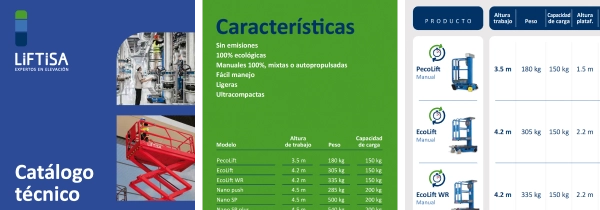
Download our catalog
You’ll be able to view all of our products and current offers, as well as the technical specifications and other services offered by LIFTISA so you have all the information you need for your project.