Complete Guide to Terms in Mobile Elevating Platforms for People (MEWP)


Mobile Elevating Platforms for People (MEWP), also known as aerial work platforms, are essential equipment in a variety of industries, from construction to window cleaning to installing electrical systems. These versatile machines They allow workers to access elevated areas safely and efficiently. However, to use them successfully, it is essential to understand a number of terms and concepts related to these platforms. In this extensive glossary, we’ll explain the most common terms associated with MEWPs, from key components to safety regulations.
1. Mobile Elevating Platforms for People (MEWP)
Mobile Elevating Personnel Platforms (MEWPs)
They are equipment designed to lift workers and tools to considerable heights. They are equipped with a working platform and can be mobile, allowing them to move horizontally.
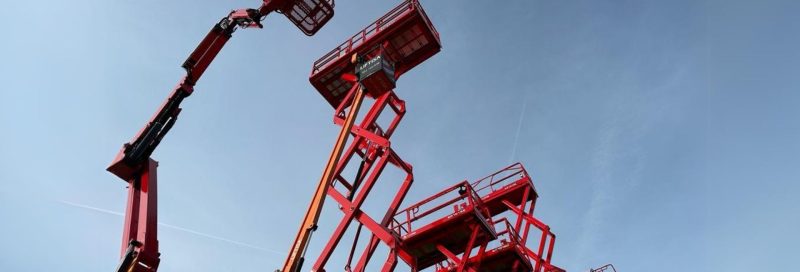
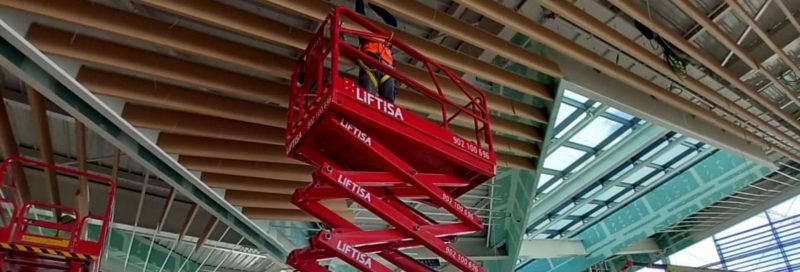
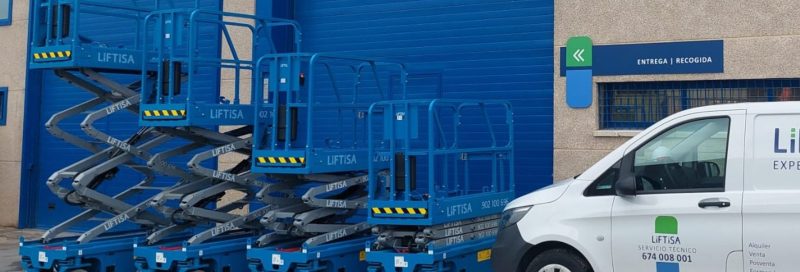
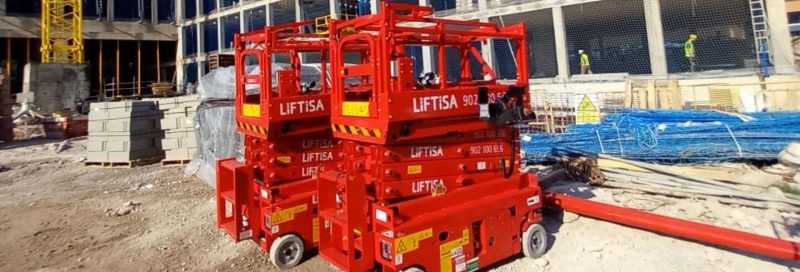
Scissor Lifts
A type of MEWP that uses a scissor structure to raise the platform. They are ideal for work at height that requires additional space.
Articulated Boom Platforms
These MEWPs have an articulated arm that allows for significant reach and mobility, making them suitable for tasks in hard-to-reach places.
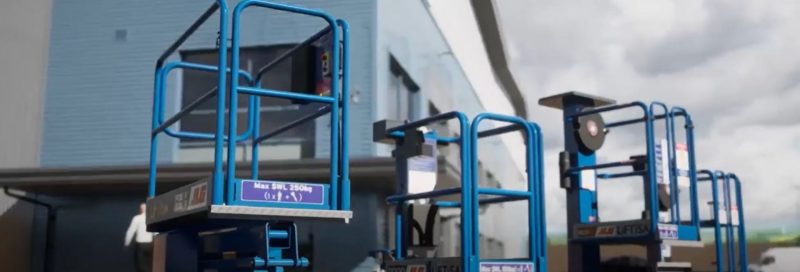
Vertical Mast Platforms
They use a vertical mast to raise the platform, offering a direct upward lift. They are ideal for small spaces.
2. General Terms
Working height
The maximum distance to which a MEWP can lift a worker.
Load capacity
The maximum weight that a MEWP can support, including workers, tools, and materials.
Work Platform
The surface where workers and tools are located. It should be large and sturdy enough.
Stabilizers
Adjustable legs or lockable wheels that keep the MEWP stable during operation.
Joystick
A control device that allows the operator to move the MEWP and control its elevation.
Battery or combustion engine
The energy source that drives the MEWP. They can be electric or internal combustion.
3. Main components
Hydraulics
A set of pumps, cylinders, and valves that controls the movement of the MEWP.
Extendable platform
A part of the platform that can be extended to increase your reach.
Control System
The control panel that allows the operator to move the MEWP and adjust its height.
Basket or basket
The part of the MEWP where the workers are located. It must have guardrails and safety anchors.
Counterbalance
Additional weight at the base of the MEWP to maintain its stability during lifting.
4. Types of platforms
Platforms for working at height
Generic term that encompasses all MEWPs.
Platforms on vehicles
MEWPs that are installed on trucks, vans, pickups, etc. and are used to carry out work at height on public roads.
Towable Platforms
MEWPs that are towed behind a vehicle and can be easily transported.
Crawler Platforms
Equipment with tracks instead of wheels, ideal for uneven terrain.
5. Operation and maintenance
Preventive inspection
A review procedure before using the MEWP to ensure that it is in good condition.
Operator training
The training needed to operate a MEWP safely and efficiently.
Preventive maintenance
Regular activities to keep the MEWP in good working order.
Battery Charge Cycle
The process of charging and discharging a MEWP battery.
MEWP Storage
The place where the machine is stored when not in use.
6. Regulations and safety
Loading plane
A document showing the maximum load capacity of the MEWP.
Power Lock
Procedure to ensure that the MEWP cannot be accidentally operated during maintenance.
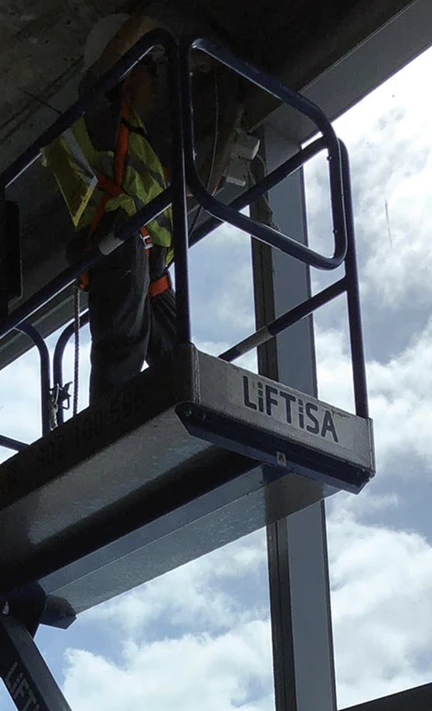
Seat belt
A harness that workers must wear in the MEWP basket to prevent falls.
Safety helmet
Personal Protective Equipment (PPE) designed to protect workers’ heads in hazardous environments, including MEWP operation. Protects against impacts and falling objects. Complies with safety regulations.
This glossary provides an overview of the most common terms related to Mobile Elevating Platforms for Persons. Understanding these concepts is essential to operate and maintain this equipment safely and efficiently. It is always advisable to follow the specific safety regulations of your region and receive The right training before using any MEWP. Knowledge of these terms will facilitate safer and more effective operation in a variety of work environments.
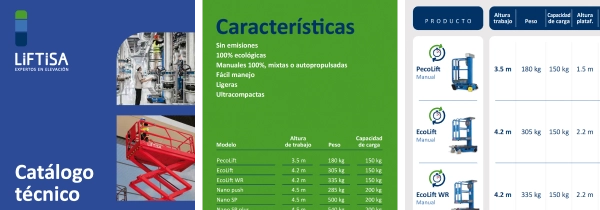
Download our catalog
You’ll be able to view all of our products and current offers, as well as the technical specifications and other services offered by LIFTISA so you have all the information you need for your project.