Fall accidents at work at height
Accidents due to falls in work at height are a problem that causes a large number of injuries and deaths throughout the year. The good news is that these accidents can be prevented if proper measures are taken and professionals follow the necessary safety instructions to prevent falls.
Falls from height: data from Spain
According to the 2017 Report on Accidents at Work by the Ministry of Employment and Social Security, between 8 and 10% of people who suffer a fall from height in the construction sector die in Spain.
This same report points out that stairs are the elements of use that constitute the greatest danger. In fact, around 5,000 accidents occur each year, of which more than 10% result in disability or death of the injured person.
In terms of sectors, according to the aforementioned report, in the construction sector there was an increase of 6.1% in accidents in 2017. In addition, fatal accidents due to falls from heights increased in this sector by 4.8%
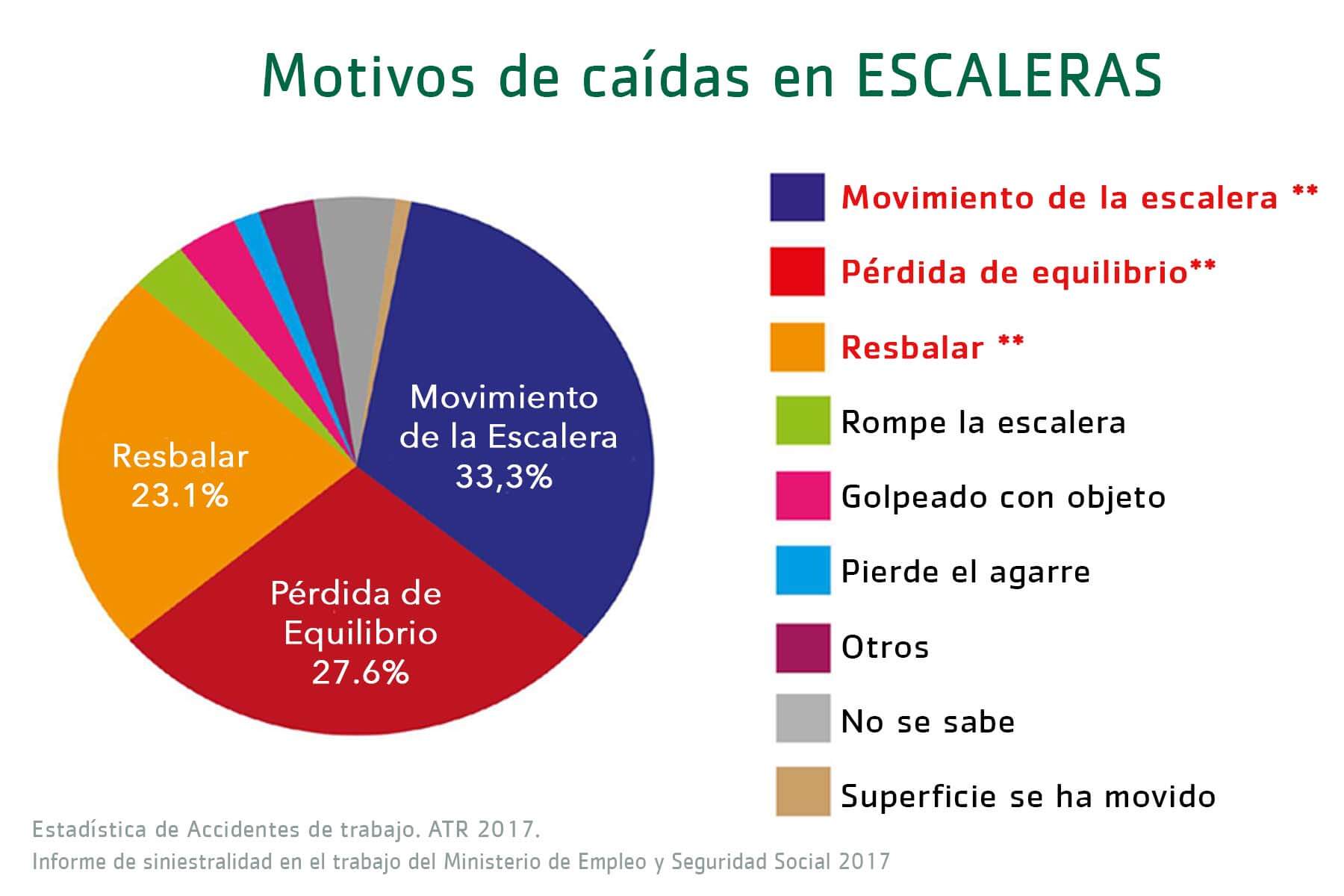
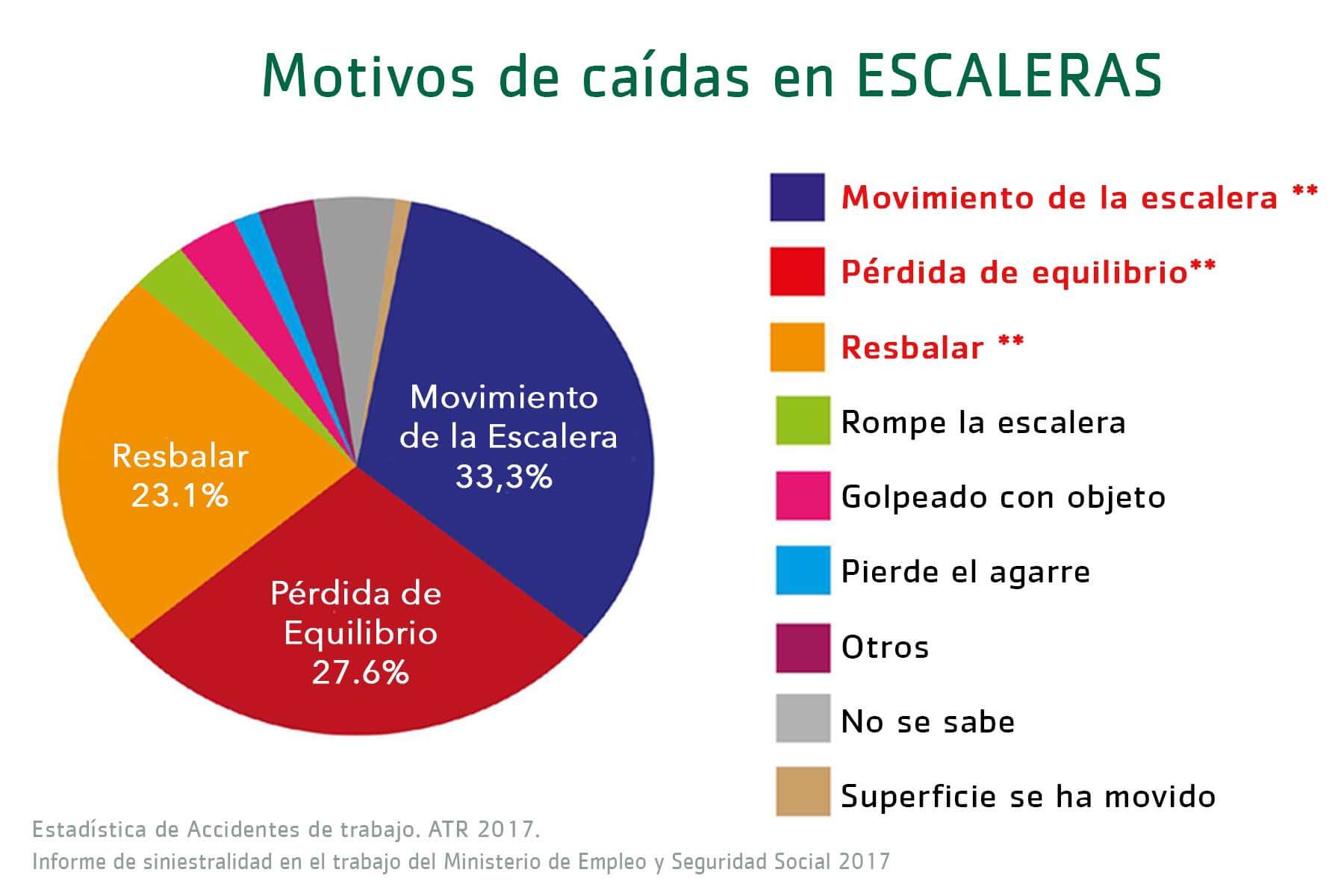
As you can see in the graph, the main reasons for falling from a ladder are the movement of the ladder itself, the worker’s loss of balance, and slipping.
Falls from height: data from Europe
Comparing the data for Spain with those for Europe gives a lot to think about. This is because, despite being the country where the fewest people have suffered a fall from height, it ranks first in number of deaths.
Thus, in France, according to the National Health Insurance fund for employees (CNAMTS), there were a total of 18,970 falls in 2017, of which 47 resulted in the death of the injured person.
In Germany, meanwhile, according to the National Health Insurance fund for employees (BG-Bau), there was a drop every 12 minutes, with a total of 48 deaths.
As for the Netherlands, of the 6,300 falls that occurred, there were 18 deaths, according to the Gezondheidsraad.
However, in Spain there were 5,000 falls, of which 60 caused the death of the worker, according to the aforementioned Occupational Accident Report of the Ministry of Employment and Social Security for 2017.
Safety first: from the staircase to Low Level Access
For Liftisa, safety, training and maintenance of equipment and machinery are the axes that must be the basis of working at height.
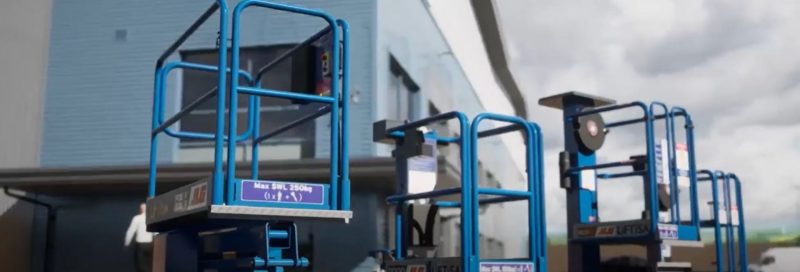
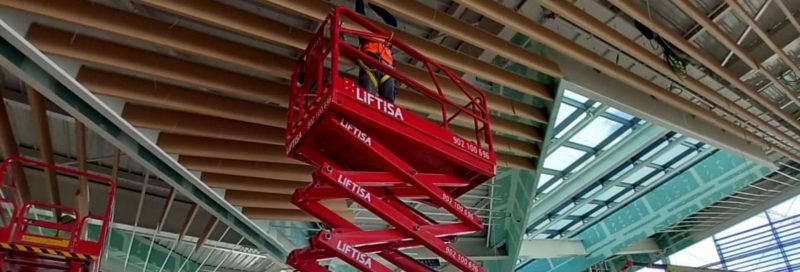
With this in mind, Liftisa proposes, among others, alternative solutions to the use of stairs. The idea is to eliminate the risk factors that make the ladder such a dangerous and potentially deadly element.
It should not be forgotten that the ladder is not a means of work, but a method of access. Therefore, to work at height, you have to look for a safe means of working.
In this regard, it is very important to take into account the regulations in force, especially Royal Decree 2177/2004, of 12 November, amending Royal Decree 1215/1997, of 18 July, which establishes the minimum health and safety provisions for the use of machinery to carry out work at height.
The Low Level Access system is a 100% safe system, much more efficient and faster than a conventional ladder, which allows working at a height of up to 5,100 meters.
An example of the safety of this system is clearly seen in the case of Great Britain, where accidents at height have been reduced proportionally to the increase in the use of Low Level Access solutions. Among other reasons, these systems prevent the three main reasons for ladder accidents mentioned above.
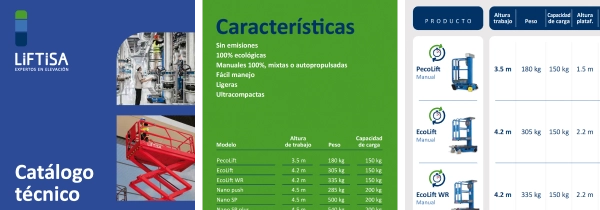
Download our catalog
You’ll be able to view all of our products and current offers, as well as the technical specifications and other services offered by LIFTISA so you have all the information you need for your project.