Small Lifting Platform: Safety, Productivity and Efficiency
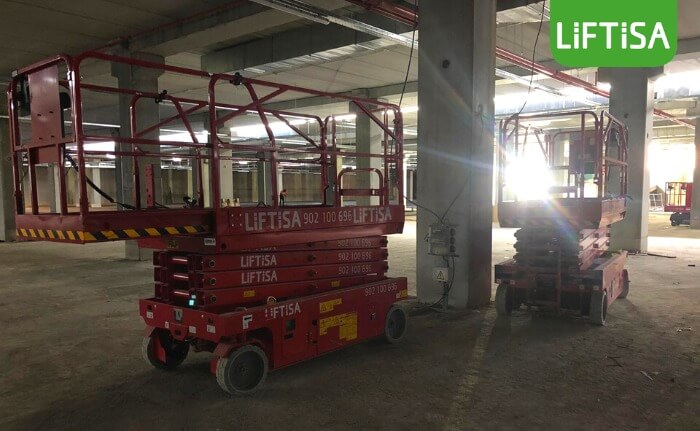
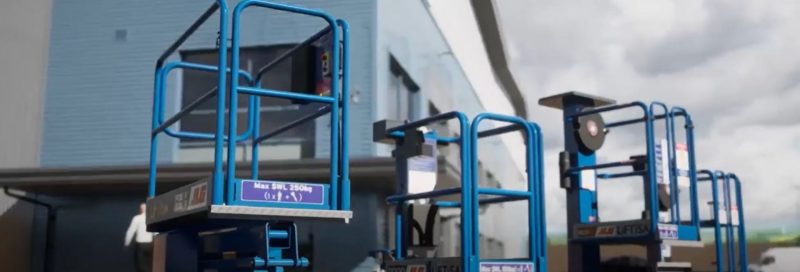
There are a large number of sizes and types of platform lifts available. It is important to understand the key features and benefits offered by each of them. Having all the right information helps to be able to Always choose the right lifting platform for every task, maximizing safety, productivity, and efficiency. A good example is the market for Small Lifting Platforms. This type of lifting platform includes electric, mixed and manual models.
Each model of small lifting platform brings different value to the customer. The differentiation is given not only by height, but also by the combinations of width and weight to be able to access the required places. For this reason, Knowing the key requirements of the workplace is decisive in ensuring that the right machine is used.
What should be considered when choosing a small lifting platform?
Height and width
Typically, the first consideration when selecting the right platform size for the task is the height at which the job needs to be done. Also, if the site features narrow access points, Machine width it’s crucial. For example, the Genie Z30/20N platform It has a compact footprint with a width of just 1.19 m, allowing access to narrow spaces, but at the same time offering an articulation height capability like articulated platforms. However, this has its counterpart, as the platform often needs to weigh more in order to maintain its range of motion.
Weight
Since machine weight can be important when a jobsite’s structures and/or soil types require a lightweight platform to ensure a reduced soil load, certain platforms have been developed with sensitive soil applications in mind. A good example of a small platform that is usually appropriate for indoor use where the weight of the machine is crucial, is the model Genie Z-33/18, which has a width comparable to that of other models in its category, but has a lower weight of 3,665 kg. The trade-off is a slight reduction in range and a greater rear overhang. The applications of this platform are several. The most popular are shopping malls and convention centers, where the weight of the machine is more important than a very compact footprint.
Access requirements
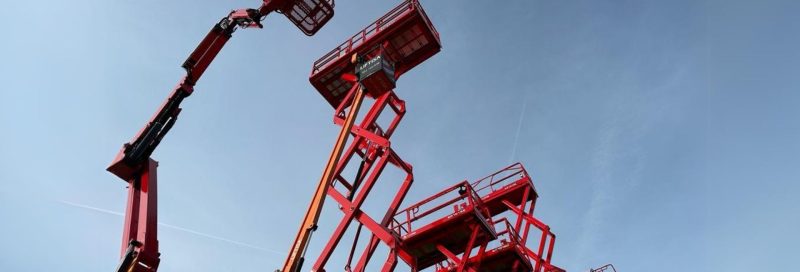
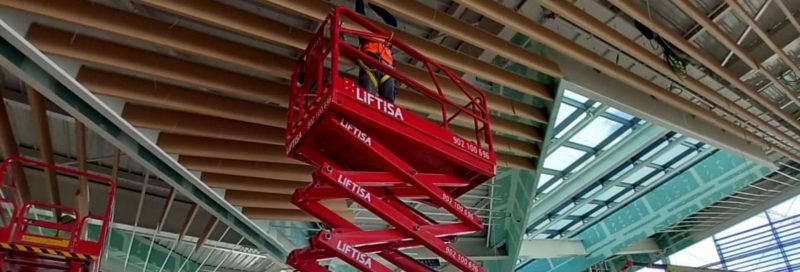
In addition to height, width, and weight, another consideration when selecting the right size and type of platform is access requirements. One articulated platform It allows users to go over and over obstacles such as shelving, rooftops or production areas. While, on the other hand, the Telescopic Platforms They are most often used for applications that require a longer range. And they are used to reach the workplace directly vertically or inclined.
Power Availability
Another element can be whether there is energy available at the work site. The largest category of small rigs are battery-powered units, and for many customers, the Small electric lifting platforms perfectly meet your needs. However, there are alternatives for locations where on-site power is not available, or applications where long distances are required. A choice of Hybrid or manual platform lifts may be more appropriate.
The optimal use of a lifting platform It starts with understanding the needs of the workplace. And the capabilities and benefits offered by the different categories of lifting platforms. One Small platform lifts can offer great safety, productivity and efficiency if the most appropriate size and type of platform are selected.
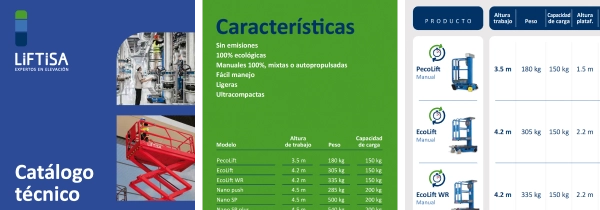
Download our catalog
You’ll be able to view all of our products and current offers, as well as the technical specifications and other services offered by LIFTISA so you have all the information you need for your project.