Technology and virtual reality in MEWP Training
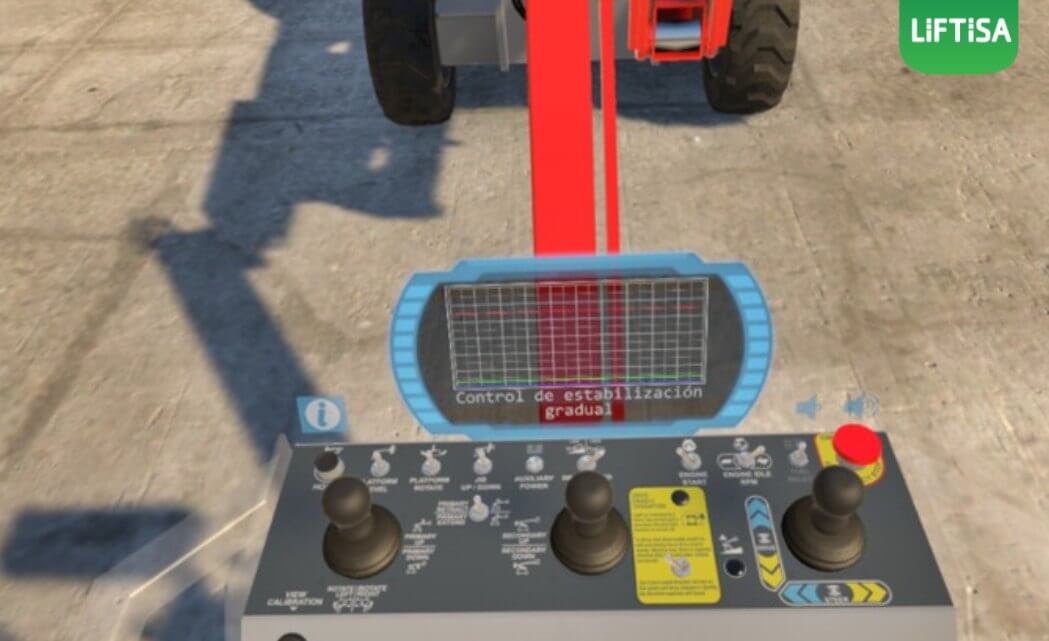
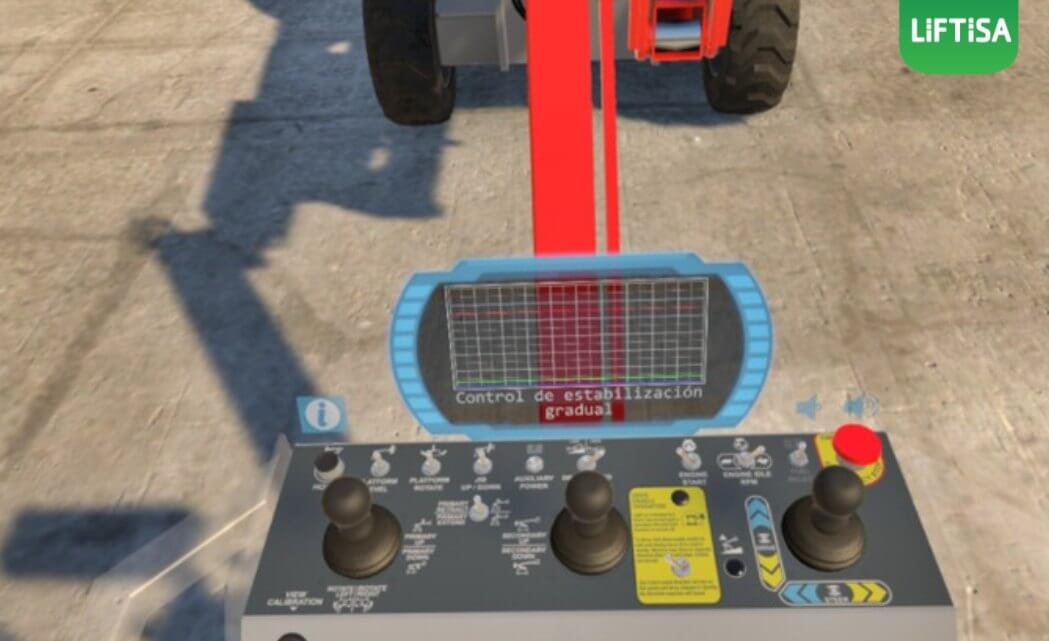
Virtual Reality and the use of simulators have been around for years, but lately they have gained prominence in the MEWP (Mobile Elevating Personnel Platforms) market, as the industry continues to look for ways to make training safer, easier, and more effective.
Do you know what Virtual Reality is used for in MEWPs?
Some companies use training simulators to immerse a potential operator in a virtual reality environment.
To simulate specific work challenges, demonstrate the machine’s features and functions, as well as test its performance and reaction time during simulated virtual experiences.
The technology is basically an introduction to what the operator may encounter during a real-life situation. And provide an opportunity for you to identify how to respond to certain challenges.
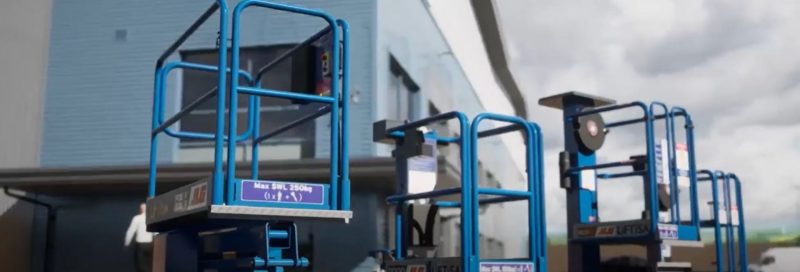
Some VR systems even allow the operator to experience a simulated work environment and perform tasks with a virtual MEWP.
This can help the operator of a MEWP become familiar with a specific control system or control functions before operating an actual MEWP.
It should be noted that these are not video games. VR simulators reproduce the entire operational experience, including sound, movement, and vision.
So, for example, if the operator were practicing loading a simulated boom on a truck and dropped a wheel on one side, he would feel the movement of the platform. Or, if the operator collides with an object during the simulation, the platform will shake.
The advantage of using simulators is that by practicing what they are trying to learn, operators can retain more of their training experiences.
Learn about the advantages of VR in Training.
Virtual Reality is just one aspect of the potential benefits. Enhanced reality (ER) and augmented reality (AR). They also offer incredible benefits to the world of training, providing a means to go beyond a simulated work environment.
And in addition, they offer the possibility to experience a virtual tour of the machines, check the operation of an unlimited number of control systems and much more, without the need for expensive hardware and limited to a single user.
VR, ER, and AR systems provide a means for a potential PEMP operator to experience challenging and difficult situations that they may encounter in real life and learn how to respond appropriately to those situations in a safe and controlled environment.
Like airplane pilots who train in simulators to develop response mechanisms and skills before piloting an airplane. These systems can help a person prepare for the actual handling of a MEWP.
With VR we avoid doing the practical part?
Despite all the advantages offered by these types of systems, they can never replace real practical operation. Even airline pilots who receive virtual training must end up flying an airplane.
RV systems, ER, and AR, cannot prepare an operator for all the potential hazards they may encounter. But, proper training and actual physical operation with a qualified instructor can.
Currently, the cost of VR is almost prohibitive. A single VR platform in a training center is not practical when it comes to training a typical group of 10 to 12 learners. Since only one person can use the platform at a time.
VR or AR could soon be more affordable, as each student could be equipped with a headset that would allow them to experience what everyone else is doing at the same time.
Which would make it much more profitable. Of course, like everything else, as the cost of these platforms drops, they will become more attractive in high-volume training functions in the future.
In the future, we will see more such systems being implemented in the world of training; It is an exciting time. Without a doubt, the most important benefit of VR, ER, and AR is safety, as it can reduce workplace incidents.
In addition, these types of training systems can also improve efficiency by measuring the time taken to complete tasks and identifying any activities that are being performed at below-average levels and that need to be improved.
The most important point for everyone to keep in mind – and remember – is that these systems are an enhancement of training and should never replace the actual practical handling of a MEWP.
Want to stay up to date with industry news and trends similar to this one?
Be sure to sign up below to receive bi-weekly information from Liftisa with newly published content, so you never miss out on important information.
Do you already follow us on our LinkedIn page?
Call. We advise you.
902 100 696
Download our catalog
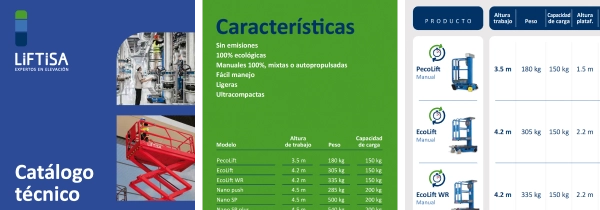
You’ll be able to view all of our products and current offers, as well as the technical specifications and other services offered by LIFTISA so you have all the information you need for your project.