How the pandemic has affected the demand for data center and hospital services: future trends
Since the onset of the COVID-19 pandemic, the world has experienced a number of changes in the way day-to-day activities are carried out. These changes have had an impact on almost every industry, and data centers and hospitals have been no exception. In this article, we will explore how the pandemic has affected the demand for data center and hospital services, and what trends are being observed in the future.
Changes in the demand for data center services
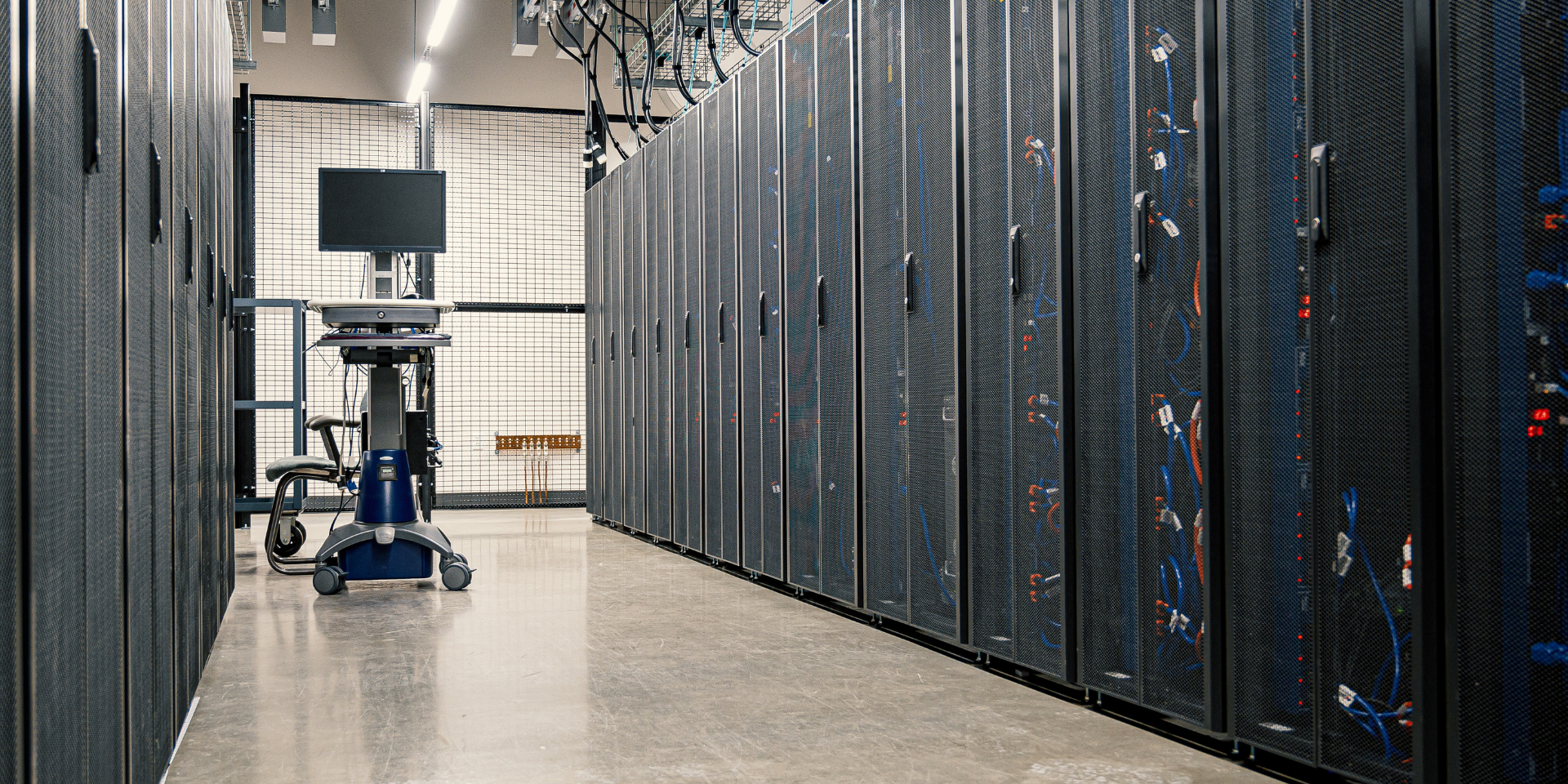
One of the sectors that has experienced an increase in demand for services during the pandemic is Data Centers. According to a study conducted by Synergy Research Group, the first quarter of 2020 saw a 10% increase in demand for Data storage and processing compared to the same quarter of the previous year. This is largely due to the need for companies to have high-quality and secure data storage and processing services to be able to continue their activities in a remote work environment.
The pandemic has forced many companies to implement teleworking on a massive scale, which has required greater data storage and processing capacity to be able to support the increase in network traffic. In addition, the pandemic has accelerated the adoption of cloud technologies, as it has allowed companies to access data storage and processing services faster and more efficiently. According to a study conducted by Gartner, cloud usage is expected to increase by 22.3% in 2023. This has contributed to an increase in demand for data center services, as these are critical to the operation of the cloud.
Data centers also play a crucial role in the business continuity of companies. During the pandemic, many companies have seen their activities interrupted due to the closure of physical businesses or the reduction in demand for products and services. Data Centers have allowed these companies to continue operating digitally, which has been key to the survival of many of them.
Changes in the demand for services in hospitals
The healthcare sector has also undergone significant changes during the pandemic. As the number of COVID-19 cases increased, hospitals were put under great pressure to be able to care for all patients. According to a report by the U.S. Centers for Disease Control and Prevention (CDC), the number of hospital visits for respiratory symptoms increased by 61% during the pandemic. This has led to an increase in demand for healthcare services, both face-to-face and through the Telemedicine.
Telemedicine has proven to be an effective way to care for patients safely and comfortably, as it allows doctors to assess and treat patients remotely. According to a study conducted by the University of California, during the pandemic the use of telemedicine increased by 45%. This has been especially helpful during the pandemic, as it has allowed hospitals to care for more patients without having to expose more people to the risk of contagion.
In addition, the use of technologies such as augmented reality to improve the maintenance of medical equipment is also expected to continue to increase. Augmented reality allows technicians to repair and maintain medical equipment more efficiently by providing them with a real-time view of the inside of the equipment and showing them how to perform maintenance tasks more easily. According to a study conducted by MarketsandMarkets, the augmented reality market in the healthcare sector is expected to grow by a CAGR of 50.3% between 2020 and 2025.
The role of lifting platforms in efficiency and safety at work
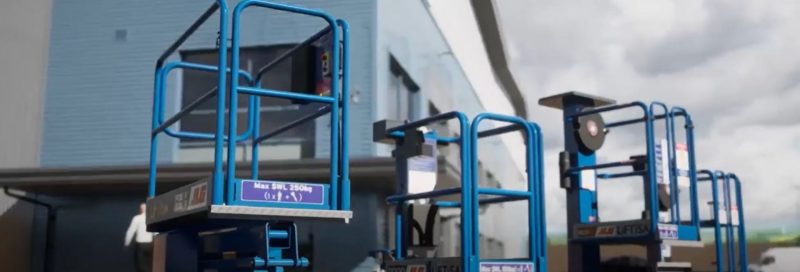
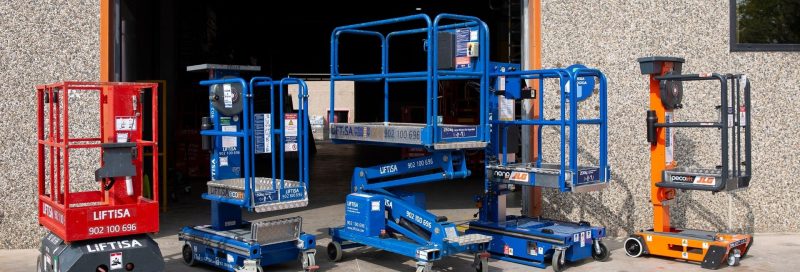
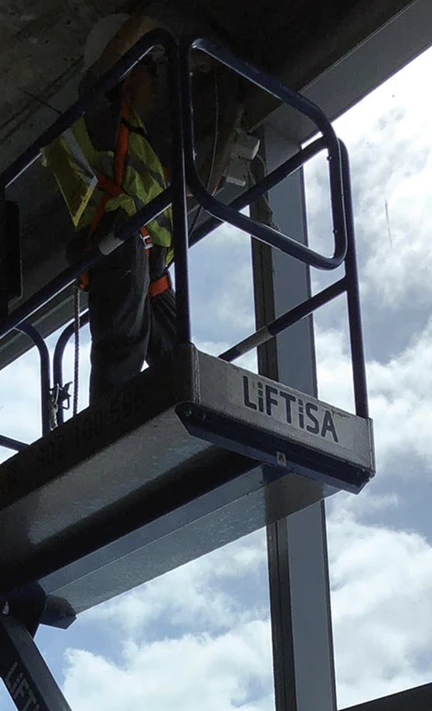
In both the data center and hospital sectors, elevating platforms can be a very useful tool to improve efficiency and safety at work. In the Data Center sector, elevating platforms can be very useful to perform tasks of Equipment maintenance and repair safely and efficiently. For example, lifting platforms can Allowing technicians to access equipment located at height without having to use ladders or scaffolding, which can reduce the risk of accidents on the job.
In addition, by not having to rely on ladders or scaffolding, the time spent on these tasks can be reduced and productivity increased, which is especially important in an environment as critical as a data center. The Lifting platforms are also often equipped with additional safety features, such as guardrails and seat belts, which can contribute to improved worker safety.
In the hospital sector, lifting platforms can also be very useful for carrying out maintenance and repair tasks on medical equipment at height safely and efficiently. By not having to rely on ladders or scaffolding, you can reduce the time spent on these tasks and increase productivity, which is especially important in an environment as critical as a hospital. In addition, by using lifting platforms, the risk of accidents at work can be reduced and worker safety improved.
Future trends
While it is difficult to predict how things will develop in the future, the demand for data center services is likely to remain high due to enterprises’ need for high-quality, secure data processing and storage services. In addition, the adoption of cloud technologies is expected to continue to increase, which will also contribute to the demand for data center services.
In the hospital sector, the demand for telemedicine services is expected to continue to increase as it has proven to be an effective way to care for patients safely and comfortably. In addition, the use of technologies such as augmented reality to improve the maintenance of medical equipment is also expected to continue to increase. Elevating platforms can also be a very useful tool for performing maintenance and repair tasks on medical equipment safely and efficiently, so their use is likely to continue to be relevant in the future.
Conclusion
The COVID-19 pandemic has had a significant impact on the demand for data center and hospital services. The Data Center sector has experienced an increase in demand due to the need for companies to have high-quality and secure data storage and processing services to be able to continue their activities in a remote work environment. In addition, the pandemic has accelerated the adoption of cloud technologies.
In the hospital sector, the demand for healthcare services, both face-to-face and through telemedicine, has increased due to the increase in the number of COVID-19 cases. In addition, the use of technologies such as augmented reality to improve the maintenance of medical equipment is also expected to continue to increase. Lifting platforms can be a very useful tool to improve efficiency and safety at work in both sectors. Although it is difficult to predict how things will develop in the future, it is likely that the demand for data center services and the use of technologies such as telemedicine and augmented reality will continue to be relevant.
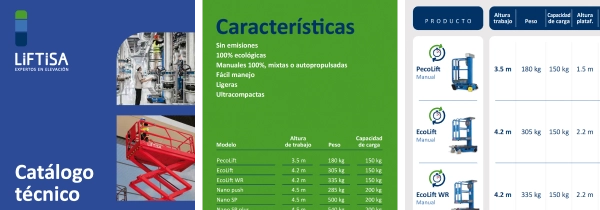
Download our catalog
You’ll be able to view all of our products and current offers, as well as the technical specifications and other services offered by LIFTISA so you have all the information you need for your project.